Why Two Aircraft That Spin Propellers Can Feel Completely Different
At first glance, piston aircraft and turboprop aircraft seem almost identical.
Both spin propellers.
Both carry passengers through the sky.
Both have become symbols of aviation itself.
But beneath the surface, these two engine types operate in completely different ways, and those differences shape everything from performance and reliability to speed, altitude, operating cost, and even the type of missions the aircraft can perform.
Understanding the distinction between piston and turboprop engines is one of the most important steps for anyone entering aviation, aircraft ownership, or air charter operations.
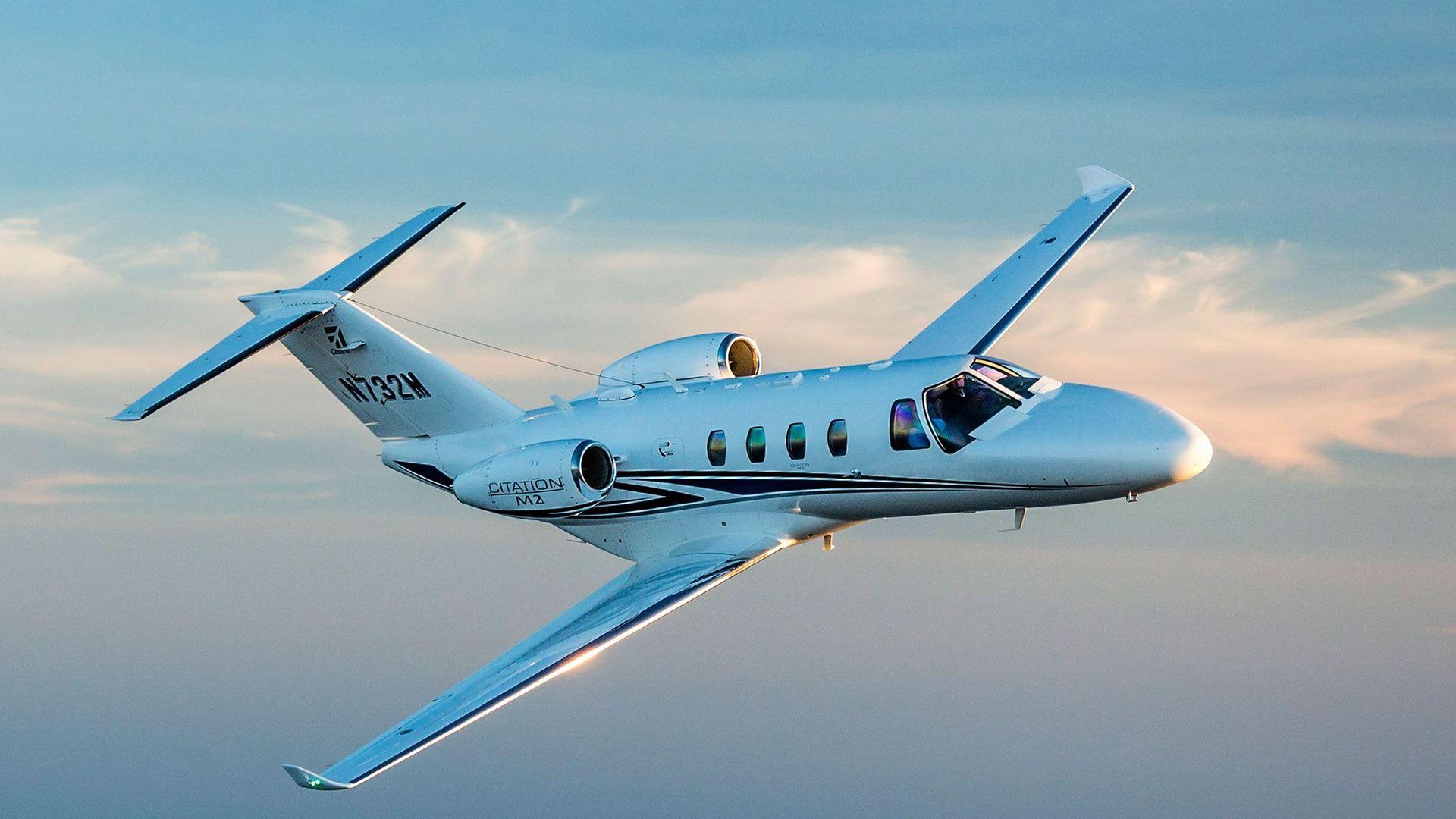
The Piston Engine
Aviation’s Mechanical Classic
The piston engine is one of the oldest and most recognizable aircraft powerplants.
Its operation is similar to the engine found in many cars. Inside the engine, fuel and air ignite within cylinders, creating expanding gases that push pistons back and forth. That movement rotates a shaft, which ultimately spins the propeller.
Simple in concept. Effective in practice.
For decades, piston engines powered nearly every aircraft in existence, from the Wright brothers’ early creations to the legendary aircraft of World War II.
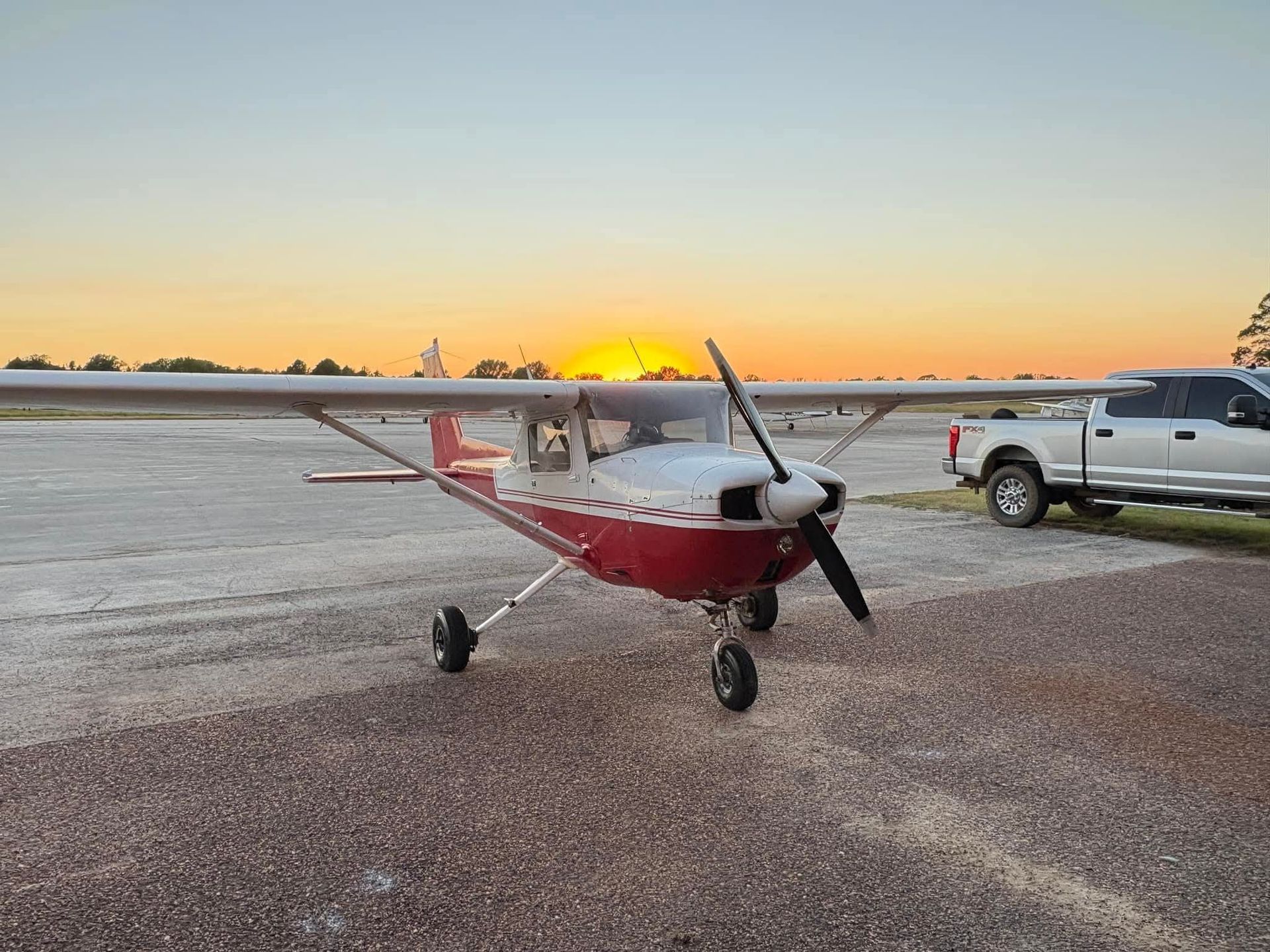
Even today, piston engines remain the backbone of light aviation.
Aircraft like the:
Cessna 172 Skyhawk
Piper PA-28 Cherokee
Beechcraft Bonanza
continue to rely on piston technology because of its affordability, simplicity, and practicality.
The Turboprop Engine
Where Propellers Meet Jet Technology
A turboprop engine belongs to the gas turbine family, the same family that powers modern jet aircraft.
Unlike piston engines, turboprops do not rely on pistons moving inside cylinders. Instead, air is compressed, mixed with fuel, ignited, and accelerated through turbine sections at extremely high speeds.
Part of this energy spins a shaft connected to a propeller.
In other words, a turboprop is essentially a jet engine optimized to drive a propeller rather than produce pure jet thrust.
Aircraft such as the:
ATR 72
Bombardier Dash 8 Q400
Pilatus PC-12
use turboprop engines because they combine strong efficiency with higher speed and altitude capability.
Why Turboprops Are More Expensive
One of the biggest surprises for many aviation newcomers is pricing.
Two aircraft may look similar externally, yet the turboprop version can cost millions more.
Why?
The answer lies inside the engine.
Although turboprops may appear mechanically simpler, they operate in an extremely demanding environment involving:
intense heat
extreme pressure
very high rotational speeds
This requires advanced alloys, precision engineering, and highly specialized manufacturing standards.
As a result:
piston engines are generally cheaper to produce and maintain
turboprop engines require more expensive materials and technology
A piston aircraft engine may cost around one hundred thousand dollars, while a turboprop engine can easily cost several times more.
Reliability and Maintenance
This is where things become interesting.
Turboprops: Built for Endurance
Turboprop engines contain fewer dynamically moving parts in contact with one another. Most components rotate smoothly at stable speeds, reducing friction and vibration.
That gives turboprops several advantages:
longer operating life
better reliability
longer intervals between overhauls
stronger suitability for commercial operations
This is one reason regional airlines heavily favor turboprops for high utilization routes.
However, turboprops also require:
advanced monitoring systems
highly trained technicians
expensive maintenance procedures
In many cases, repairing a turboprop engine involves removing the entire engine and sending it to a specialized facility.
Piston Engines: Simpler and More Forgiving
Piston engines contain far more moving parts.
Pistons constantly move up and down under changing pressures and temperatures, creating vibration and wear over time.
While this can reduce long term durability compared to turboprops, piston engines offer advantages of their own:
easier maintenance
simpler repairs
lower operating costs
greater tolerance to pilot input errors
In remote environments or small airfields, piston aircraft can often be repaired much more easily than turbine powered aircraft.
Altitude Changes Everything
As aircraft climb higher, air density decreases.
This affects engine performance dramatically.
Piston Aircraft
Piston engines perform best at relatively low altitudes, typically below 4 kilometers.
At higher altitudes:
thinner air reduces engine efficiency
fuel air mixtures become less balanced
power output drops
Turboprops
Turboprops compress incoming air before combustion, allowing them to maintain performance much better at altitude.
Their ideal operating range is often between 4 and 7 kilometers, with some capable of climbing much higher.
This gives turboprops:
better cruise efficiency
smoother weather avoidance
higher speed capability
Speed Differences
If speed matters, turboprops usually win.
Typical piston aircraft cruise speeds range between:
180 to 300 km/h for smaller trainers
up to around 500 km/h for advanced piston aircraft
Turboprops regularly operate between:
500 and 700 km/h
Some military turboprops can approach 800 km/h.
However, at lower speeds and shorter distances, piston engines remain highly efficient and economical.
That is why aircraft like the Cessna 172 Skyhawk remain dominant in flight schools and private aviation.
Fuel Consumption
Fuel discussions in aviation are never simple.
Piston Engines
Piston aircraft generally burn aviation gasoline, commonly known as Avgas.
Advantages:
efficient at low power levels
economical for short flights
Disadvantages:
Avgas can be expensive and less available globally
Turboprops
Turboprops burn aviation kerosene, often called Jet A1 fuel.
Advantages:
more widely available globally
sometimes cheaper than Avgas
Disadvantages:
engines consume larger quantities overall
In many real world operations, fuel cost differences become less dramatic than expected.
Why Aviation Uses Both
Neither engine type is universally better.
Each serves a different purpose.
Piston Aircraft Are Best For:
flight training
private flying
observation flights
short regional operations
lower cost ownership
Turboprops Are Best For:
regional airlines
cargo operations
higher speed transport
commercial reliability
operations requiring higher altitudes
This is why aviation continues to use both technologies side by side.
The Future of Propeller Aviation
Even in an era dominated by jets, propeller driven aircraft remain essential to global aviation.
From bush operations in Africa to regional airline routes and cargo missions into remote airstrips, both piston and turboprop aircraft continue to prove their value every day.
Each engine type represents a different philosophy:
one focused on simplicity and accessibility
the other focused on power, endurance, and performance
And together, they continue powering the aircraft that connect communities, industries, and people around the world.
Continue the Conversation
Aviation is full of engineering tradeoffs, and engine choice is one of the most fascinating examples.
We regularly share aviation insights, cargo operations, and aircraft knowledge on LinkedIn.
Join the discussion and connect with us for more aviation content from The Driver Cloud. ✈️